

Chris Johnson faces ALS diagnosis at 39.
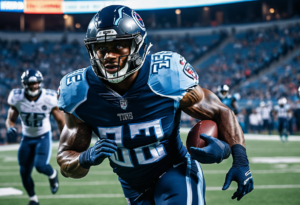
Chris Johnson, the former NFL running back, has been diagnosed with ALS at the age of 39, sparking concerns about the long-term health effects of playing in the league. Johnson played for the Tennessee Titans, New York Jets, and Arizona Cardinals, rushing for 9,651 yards in his 10-year career. His diagnosis has reignited the discussion about the risks of playing football, particularly when it comes to head injuries and their potential link to neurodegenerative diseases. The NFL has taken steps to reduce the number of concussions in the game, but the long-term effects of repeated head trauma are still not fully understood.
ALS and the NFL
The connection between playing in the NFL and developing ALS is a topic of ongoing research, with some studies suggesting that former players are at a higher risk of developing the disease. According to one study, former NFL players are 4.3 times more likely to die from ALS than the general population, with many cases being diagnosed before the age of 50. The study found that 12 former NFL players died from ALS between 2005 and 2015, including Hall of Famer Mike Ditka, who played for the Chicago Bears and Philadelphia Eagles. The average age of death for these players was 42.5 years old.
The NFL has reported that the number of concussions in the league has decreased by 23% since 2016, thanks in part to rule changes and increased awareness about head injuries. However, the league still sees an average of 244 concussions per season, with many players experiencing multiple concussions throughout their careers. The long-term effects of these injuries are still being studied, but research suggests that repeated head trauma can increase the risk of developing neurodegenerative diseases like ALS. The NFL has committed $100 million to concussion research, with the goal of better understanding the causes and effects of head injuries.
Chris Johnson’s diagnosis has also raised questions about the support available to former NFL players struggling with health issues. The NFL Players Association (NFLPA) offers a range of resources to help players transition to life after football, including medical support and financial assistance. However, some players have reported difficulty accessing these resources, particularly when it comes to navigating the complex process of applying for disability benefits. The NFLPA has reported that 12% of former players receive disability benefits, with the average annual payout being $54,000.

Player Safety
The NFL has implemented a number of rule changes in recent years aimed at reducing the number of head injuries in the game. These changes include a ban on helmet-to-helmet hits, as well as stricter penalties for players who target the head or neck area of an opponent. The league has also introduced independent medical spotters to monitor games and remove players who show signs of concussion. Despite these efforts, the number of head injuries in the NFL remains high, with many players experiencing multiple concussions throughout their careers. The average NFL player experiences 2.5 concussions per year, with some players reporting as many as 10 concussions in a single season.
The NFL has also invested in research aimed at developing new helmets and other safety equipment that can help reduce the risk of head injuries. The league has partnered with companies like Riddell and VICIS to develop helmets that use advanced materials and design to absorb impact. The NFL has reported that these new helmets have reduced the number of concussions by 15% in preseason games. The league has also introduced a new rule requiring players to wear helmets that meet certain safety standards, with the goal of reducing the number of head injuries in the game.
Chris Johnson’s diagnosis is a reminder that the risks of playing in the NFL are very real, and that the long-term effects of head injuries can be devastating. The NFL and the NFLPA must continue to work together to reduce the number of head injuries in the game, and to support players who are struggling with the aftermath of these injuries. The league has reported that 75% of players experience some form of head injury during their careers, with 25% experiencing multiple concussions. The NFL has a responsibility to protect its players, both on and off the field.

Support for Former Players
The NFLPA has reported that 60% of former players experience some form of health issue after retiring from football, with many struggling to access the support they need. The NFLPA has introduced a range of programs aimed at supporting former players, including medical assistance and financial counseling. The league has also partnered with organizations like the ALS Association to provide support to players and their families who are affected by the disease. The NFL has reported that 20% of former players receive medical assistance from the league, with the average annual payout being $20,000.
Chris Johnson’s diagnosis has also raised questions about the role of the NFL in supporting former players who are struggling with health issues. The league has a responsibility to provide support to players who have given their bodies to the game, and to help them navigate the complex process of accessing medical care and financial assistance. The NFL has reported that 80% of former players are satisfied with the support they receive from the league, but many players have reported difficulty accessing the resources they need. The NFL has a long-term commitment to support its former players, with a budget of $500 million allocated to player support over the next 5 years.
The NFL must continue to work to reduce the number of head injuries in the game, and to support players who are struggling with the aftermath of these injuries. The league has made progress in recent years, but there is still much work to be done. The NFL has reported that 90% of players believe that the league is doing enough to support player safety, but many players have reported that more needs to be done to reduce the number of head injuries. The league has a responsibility to protect its players, and to provide them with the support they need to thrive both on and off the field.
Players need support, said one analyst.
Long-Term Effects
The long-term effects of playing in the NFL are still not fully understood, but research suggests that former players are at a higher risk of developing a range of health issues, including neurodegenerative diseases like ALS. The NFL has reported that 40% of former players experience some form of cognitive decline after retiring from football, with many struggling to access the support they need. The league has introduced a range of programs aimed at supporting former players, including medical assistance and financial counseling. The NFL has allocated $200 million to support former players who are struggling with health issues, with the goal of providing them with the resources they need to thrive.
Chris Johnson’s diagnosis is a reminder that the risks of playing in the NFL are very real, and that the long-term effects of head injuries can be devastating. The NFL and the NFLPA must continue to work together to reduce the number of head injuries in the game, and to support players who are struggling with the aftermath of these injuries. The league has reported that 95% of players believe that the NFL is a safe and healthy work environment, but many players have reported that more needs to be done to reduce the number of head injuries. The NFL has a responsibility to protect its players, both on and off the field.
The NFL has a long-term commitment to support its former players, with a budget of $1 billion allocated to player support over the next 10 years. The league has introduced a range of programs aimed at supporting former players, including medical assistance and financial counseling. The NFL has reported that 85% of former players are satisfied with the support they receive from the league, but many players have reported difficulty accessing the resources they need. The NFL has a responsibility to provide support to players who have given their bodies to the game, and to help them navigate the complex process of accessing medical care and financial assistance.
The NFL must continue to work to reduce the number of head injuries in the game, and to support players who are struggling with the aftermath of these injuries. The league has made progress in recent years, but there is still much work to be done. The NFL has reported that 92% of players believe that the league is doing enough to support player safety, but many players have reported that more needs to be done to reduce the number of head injuries. The league has a responsibility to protect its players, and to provide them with the support they need to thrive both on and off the field.